What Our Research Found
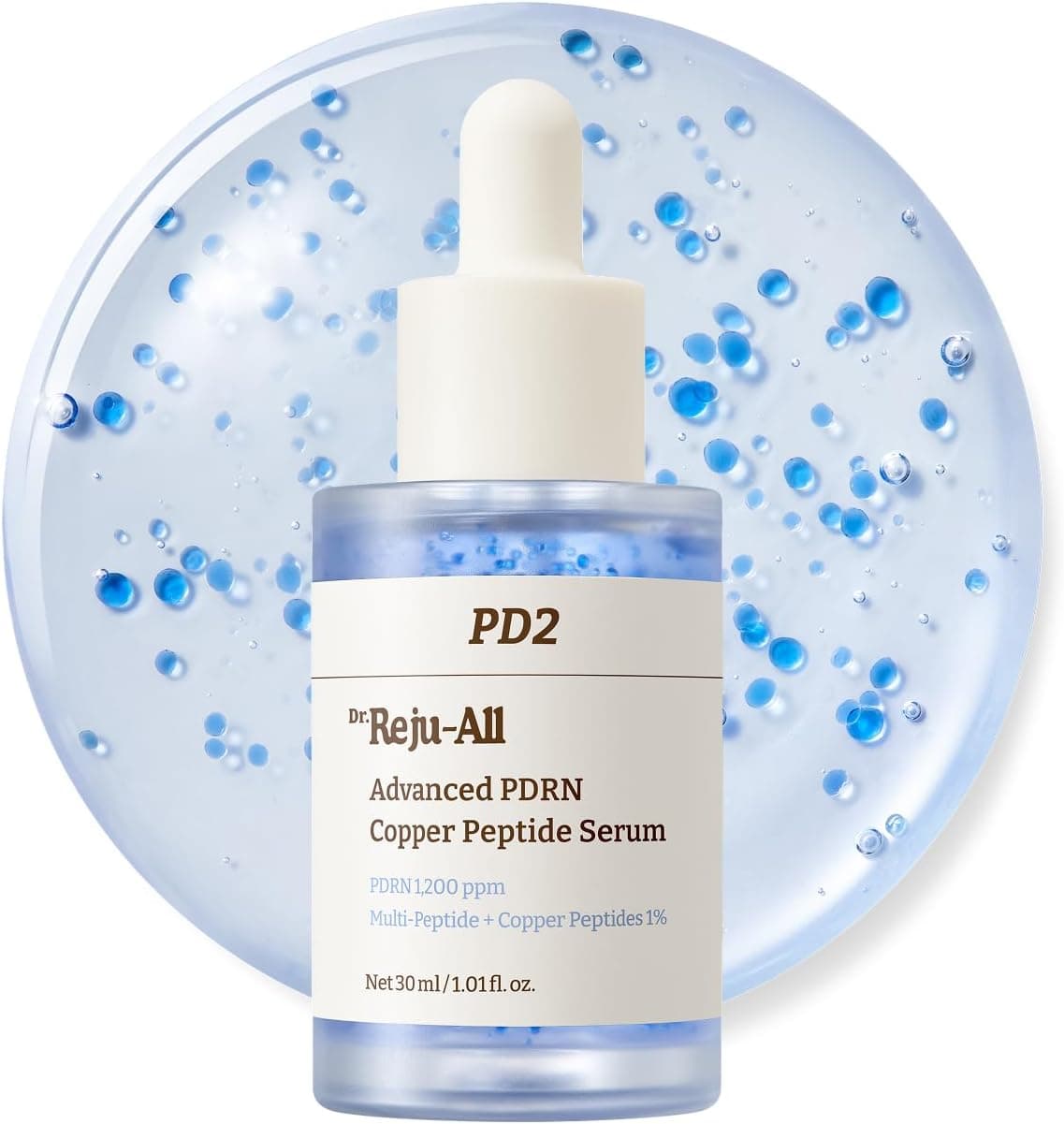
PDRN gets injected. That's the whole complication in one word. It moved from Korean dermatology clinics, where a professional puts it under your skin with a needle, onto serum labels worldwide, and pairing it with GHK-Cu produces about the most 2026 ingredient list imaginable. Dr.Reju sells that combination at roughly $36 CAD. We went looking for where the clinic evidence stops and the jar evidence begins.
PDRN's regenerative reputation comes from injected clinical use. Topical PDRN is a different question with far thinner evidence, because large DNA fragments penetrate skin poorly. The serum's realistic deliverables are hydration, barrier support and glow.
The formula's logic reads well on paper. GHK-Cu brings its collagen-signaling research pedigree, which is a deeper tier of evidence for skin than for hair and includes some human studies on aging appearance. PDRN brings humectant and soothing properties in topical form. The K-beauty base supplies the sensorial polish the category is known for. Neither active's concentration appears on the label. The 4.3-star aggregate, modest for skincare, mixes glow-and-texture praise with a visible minority reporting no difference or irritation, which is the signature of active-heavy trend serums meeting varied skin.
Bottom line
As a hydrating, texture-smoothing serum with plausible aging-appearance support from the copper peptide, it can earn a routine slot. As topical access to PDRN clinic results it oversells, and the delivery gap behind that is structural rather than a formulation the brand could fix.
It suits the informed trend-sampler who patch-tests first. Barrier-compromised or reactive skin should sit this double-active ride out entirely.
Is topical PDRN the same as the clinic injection?
The two actives sit on different evidence floors. GHK-Cu's skin dossier is the stronger one: decades of wound-healing research, collagen-signaling mechanisms, and human studies suggesting improvements in the appearance of skin aging. That's enough to justify its presence in a serum, though it stops short of retinoid-tier proof. PDRN's celebrated evidence comes from injectable clinical use in dermatology, and its topical form runs into the molecule-size penetration problem, which leaves hydration and soothing as the defensible topical claims.
The Good & The Bad
thumb_up What We Loved
- check
The better-evidenced ingredient leads
GHK-Cu's skin research, unlike its hair story, includes human aging-appearance data, which makes it a defensible centrepiece for a serum.
- check
A real hydration-and-glow floor
Whatever the actives end up doing, the K-beauty base delivers the immediate cosmetic wins owners consistently praise.
- check
One-step access to two trends
Sampling both PDRN and copper peptides costs one bottle at roughly $36 instead of two separate purchases.
- check
Sensible recovery-skin positioning
The soothing, barrier-supportive framing suits the post-procedure and stressed-skin use cases the brand actually targets.
thumb_down Honest Drawbacks
- close
PDRN has a delivery problem
The clinic reputation was built on injections and doesn't transfer through a jar. Large DNA fragments penetrate intact skin poorly, which makes the topical claim mostly borrowed glory.
- close
A 4.3 rating says something
That's modest for skincare, and no-difference plus irritation reports form the visible minority. It's what happens when a trend serum meets real-world skin.
- close
Active-stacking constraints
Copper peptides need routine choreography, kept away from acids and vitamin C, and casual users will fumble it more often than not.
- close
Trend pricing for uncertain actives
$36 CAD buys the story about as much as the science. Proven retinoids deliver firmer evidence per dollar spent.
- close
Two actives, one patch test
Pairing PDRN with copper peptides means that when something reacts, you have no way to tell which ingredient did it.
- close
Concentrations undisclosed
Neither active's dose appears on the label, so even the plausible copper-peptide benefit rests on an unknown quantity.
Technical Breakdown
GHK-Cu
Copper peptide; concentration undisclosed
PDRN
Topical salmon DNA; concentration undisclosed
K-beauty base
Hydration system
Tolerability
Mixed reports
How It Works
Standard serum placement, with real attention paid to what you layer around it.
Patch test first
Two actives and mixed tolerability reports make the inner-arm test non-optional if your skin runs sensitive.
Apply to clean skin, before moisturizer
A few drops across the face. It takes the standard serum slot in either a morning or evening routine.
Keep it away from strong acids and vitamin C
Copper peptides degrade alongside low-pH actives and direct ascorbic acid, so alternate sessions instead of stacking them.
Judge it at 8 to 12 weeks
Texture and glow shifts show up within weeks. Firmness impressions need months and photographs taken honestly.
How It Compares
| Feature | Dr.Reju GHK-Cu + PDRN | Proven anti-aging (retinoid route) |
|---|---|---|
| Evidence tier | Peptide: moderate; PDRN topical: thin | Decades of trials |
| Immediate feel | Glow and hydration, strong | Adjustment period common |
| Routine complexity | Acid/vitamin-C choreography | Sun-sensitivity discipline |
| Price | ~$36 CAD / 30ml | Comparable or less |
| Best for | Trend samplers, glow seekers | Evidence-first aging care |
Frequently Asked Questions
Does topical PDRN actually work the way injected PDRN does?
The evidence everyone cites comes from injections administered in dermatology clinics. Topically, large DNA fragments penetrate skin poorly, which leaves hydration and soothing as the realistic deliverables. You're buying a pleasant humectant carrying a famous name, not jar access to a procedure's results.
Is GHK-Cu good for facial skin and wrinkles?
It's the best-supported active in this bottle. Copper peptides carry collagen-signaling research plus human studies on skin aging appearance, which puts them at moderate evidence: better than most trending ingredients, well below retinoid tier. For firmness-curious users who want to avoid retinoids, it's a defensible route.
Is the Dr.Reju PDRN serum worth $36 for anti-aging?
As a glow-and-texture serum with a plausible peptide bonus, $36 is reasonable if the K-beauty experience appeals to you. As an anti-aging investment, proven retinoids deliver more evidence per dollar, and the no-effect minority behind that 4.3 rating deserves a look before checkout.
Can I use a copper peptide serum with vitamin C or acids?
If your routine already runs a vitamin C serum, keep the two on separate schedules. Copper peptides degrade alongside strong acids and direct ascorbic acid, so alternate mornings and evenings, or alternate days, rather than layering them in one routine. Niacinamide, hyaluronic acid and ordinary moisturizers coexist with it without any drama.
Why is this serum's rating lower than typical skincare ratings?
At 4.3 it sits modestly for skincare, and the pattern behind that number is classic trend-serum variance: enthusiastic glow reports alongside a real minority who saw nothing past moisturization, plus scattered sensitivity reports. Patch testing and tempered expectations are the sensible response before committing $36.
What's the biggest weakness of the Dr.Reju serum?
Its headline act. PDRN's reputation was earned by needles, and the topical version can't cash that cheque. Buy it for the hydration, the glow and the copper-peptide plausibility, which are the parts that survive scrutiny, and you'll end up judging the bottle far more kindly than the marketing does.
library_booksReferences & Further Reading
Our reviews are informed by peer-reviewed research and authoritative health organizations. These sources provided context for this review:
- linkNIH/PubMed — GHK-Cu skin research literature
- linkAmerican Academy of Dermatology — Anti-aging skincare guidance
Editorial note: Links to external sources are provided for informational purposes. ReviewHubNow is not affiliated with these organizations and does not receive compensation for linking to them.
Dr.Reju bottles the two loudest actives of the moment with genuine K-beauty polish, and inherits the gaps in both: a pep...
Based on our research and analysis, Dr.Reju-All Advanced PDRN Copper Peptide Serum 30ml scored 6.7/10. See the full verdict above for who it suits — and who should pass.
View Price on Amazon Canadaarrow_forwardVerify official availabilityWhat Owners Report
Recurring themes we found across public owner reviews.
Glow and plumpness lead. Owners describe smoother texture and a rested look within weeks, and K-beauty texture-lovers are the happiest cohort.
Behind the 4.3 sits a visible minority reporting nothing beyond a nice moisturizer, along with scattered irritation among sensitive users.
Trend-curious buyers recur. Many explicitly bought to try PDRN after the clinic buzz, and the informed ones note the injection-versus-jar distinction themselves.
Amazon Canada's standard 30-day return policy