What Our Research Found
One question drove this review. Is this a real retinaldehyde product doing real work, or a serum borrowing the word retinal for shelf appeal without meaningful concentration?
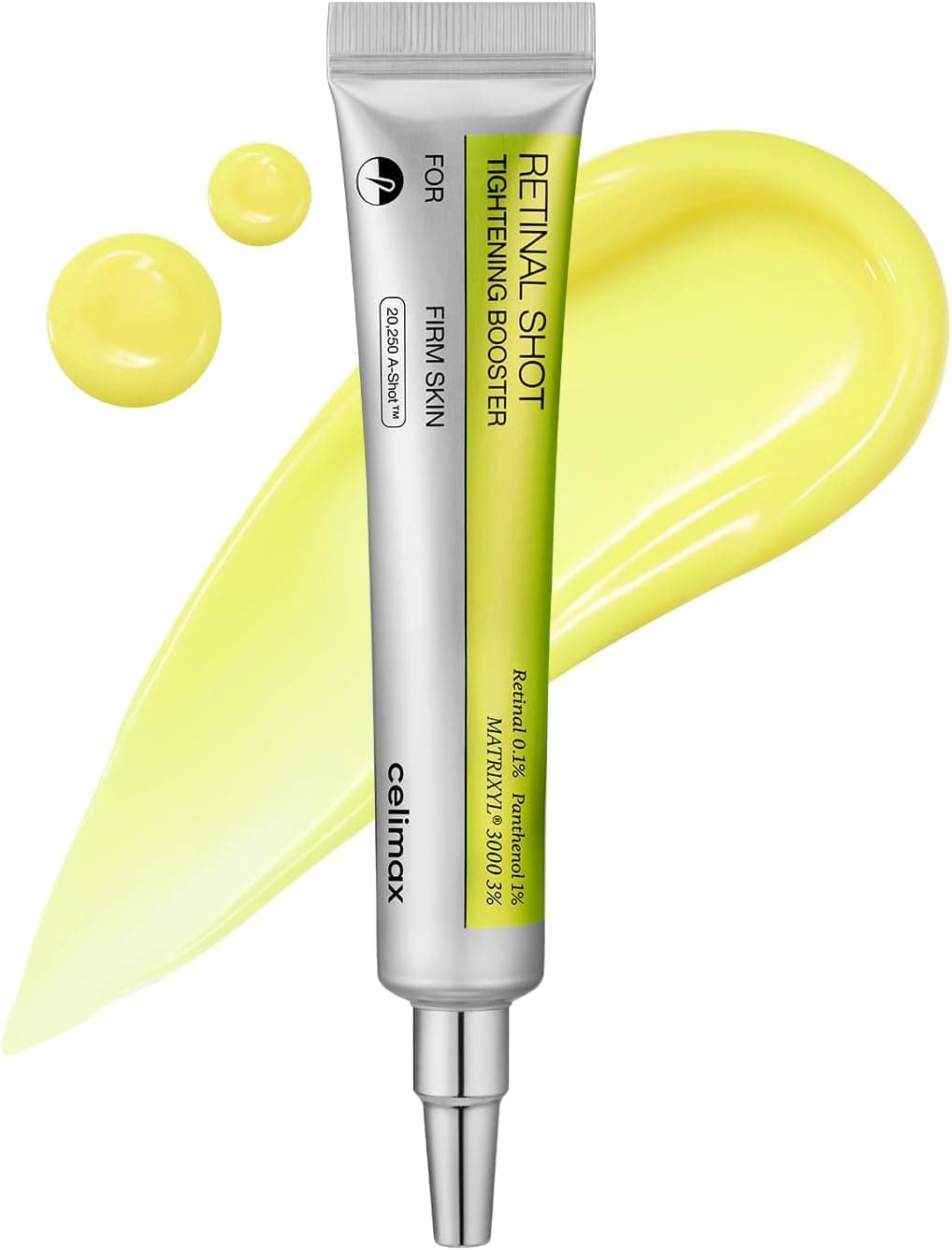
celimax lists retinal (retinaldehyde) as its headline active but never publishes the percentage, on the label or the listing. That puts buyers in the position of trusting brand reputation and 20,072 aggregate ratings instead of a spec sheet.
Retinaldehyde converts to retinoic acid in fewer steps than retinol. In practice that usually means faster visible change and a higher chance of irritation than retinol at an equivalent strength. The economics look good at first glance: $23.69 for 15ml against $50 to $90 for prestige retinal serums of similar volume. Then the bottle math intrudes. Nightly use empties 15ml in four to eight weeks, so the low sticker becomes a recurring one.
Bottom line
Give it four to eight weeks of consistent nightly use and expect gradual improvement in texture and the look of pores. Expect the adjustment period too: mild flaking, tightness, or redness in the first two or three weeks is normal with any active retinoid.
This is a legitimate entry point for people new to retinoids or watching their budget. Anyone building a dermatologist-guided routine that needs a known percentage, or anyone who has reacted badly to retinaldehyde before, should look at products that publish their numbers.
Does retinaldehyde actually beat retinol?
Retinaldehyde sits between retinol and prescription retinoic acid on the vitamin A conversion pathway. Published dermatology research generally finds it produces improvements in fine lines and texture comparable to retinoic acid at higher concentrations, while irritating less than retinoic acid at equivalent efficacy. It can still irritate more than an equivalent dose of retinol. Every one of those findings comes with a dose attached, which is where this product runs into trouble.
The Good & The Bad
thumb_up What We Loved
- check
Retinaldehyde, not just retinol
One fewer conversion step to active retinoic acid, which is the reason retinal serums usually work faster than retinol at similar strength.
- check
Cheap enough to experiment with
At $23.69 for 15ml it undercuts prestige retinal serums by a wide margin, so a failed trial costs the price of a lunch rather than a night out.
- check
A review base large enough to mean something
20,072 ratings averaging 4.3 out of 5 is a big sample. It tells you little about potency but plenty about general tolerability.
- check
Small format encourages correct dosing
The 15ml shot bottle makes a pea-sized nightly dose the obvious move, which is exactly how retinoids should be used.
thumb_down Honest Drawbacks
- close
No disclosed retinaldehyde percentage
Two serums both listing retinal can perform completely differently at 0.05% versus 0.1%. Without the number, comparison shopping is guesswork.
- close
The small bottle empties fast
15ml lasts four to eight weeks with nightly use, so the friendly sticker price becomes a repeat purchase you should budget for.
- close
Off-limits during pregnancy and breastfeeding
Retinoids as a class are generally advised against in pregnancy and breastfeeding. This one is no exception, and that is a conversation for your healthcare provider.
- close
Retinoid-naive skin should expect a rough start
First-time retinoid users commonly get dryness, flaking, or redness in the early weeks. Ramping up slowly is the difference between adjusting and quitting.
- close
Brand reputation is doing work a label should do
With no published concentration and no full INCI breakdown on the listing, you are buying on trust and crowd sentiment rather than verifiable specs.
Technical Breakdown
Retinal (Retinaldehyde)
Undisclosed concentration
Adenosine
Undisclosed
Niacinamide (if present per full ingredient list)
Undisclosed
Full INCI list transparency
Not published on listing
How It Works
Retinaldehyde converts to retinoic acid in the skin, which speeds cell turnover and supports collagen activity in the dermis. The routine around it matters as much as the molecule.
Cleanse and dry fully
Apply to completely dry skin at night; residual moisture can increase irritation with any retinoid.
Start low and slow
Use 2-3 nights per week for the first two weeks to gauge tolerance before moving to nightly use.
Apply a pea-sized amount
Spread thinly over the whole face, avoiding the eye area and any broken skin.
Follow with moisturizer
Layering a moisturizer on top helps buffer irritation, especially during the first month.
Use sunscreen every morning
Retinaldehyde increases sun sensitivity; daytime SPF is non-negotiable while using this product.
How It Compares
| Feature | celimax The Vita A Retinal Shot Tightening Booster | Typical Alternative |
|---|---|---|
| Active ingredient | Retinaldehyde (retinal) | cancelRetinol or retinoic acid (Rx) |
| Disclosed concentration | Undisclosed | cancelOften disclosed (e.g., 0.5% retinol) |
| Price per 15ml | $23.69 | $40-90 for prestige retinal serums |
| Irritation profile | Moderate, ramp-up recommended | cancelVaries; Rx retinoids typically higher |
| Review volume | 20,072 public ratings, 4.3/5 | Varies widely by brand |
Frequently Asked Questions
What is retinal (retinaldehyde) and how is it different from retinol?
Retinaldehyde is a vitamin A derivative one conversion step closer to active retinoic acid than retinol, which generally lets it act faster. Individual tolerance varies, and the undisclosed concentration here means you cannot predict how it compares to a labelled retinol product on strength.
Can I use a retinal serum while pregnant or breastfeeding?
Retinoids as a class, retinaldehyde included, are generally advised against during pregnancy and breastfeeding. Check with your healthcare provider before using this or any other vitamin A product, and treat that conversation as the deciding factor rather than anything a review says.
How long does a 15ml retinal serum last with nightly use?
Four to eight weeks with a pea-sized nightly application. The ramp-up period stretches the first bottle slightly since you start at two or three nights a week. Budget for roughly a bottle every one to two months once you reach nightly use.
Will this cause purging or irritation when I start?
Picture the first three weeks as an adjustment phase rather than a verdict. Dryness, flaking, or redness is common with any retinoid, and starting at two or three nights a week with moisturizer on top reduces it substantially. Persistent burning or swelling is different, and means stop and ask a professional.
Does celimax disclose the exact retinal percentage?
No, and that is this product's main weakness. The concentration appears nowhere on the Amazon.ca listing or packaging as far as we could find, which blocks any direct potency comparison against retinal serums that do publish their numbers.
Do I still need sunscreen if I only use retinal at night?
Yes. Retinoids raise photosensitivity for as long as they stay in your routine, not just on the hours after application. Daily SPF is non-negotiable while using this serum, and skipping it undoes the texture gains you are paying for.
library_booksReferences & Further Reading
Our reviews are informed by peer-reviewed research and authoritative health organizations. These sources provided context for this review:
- linkNational Center for Biotechnology Information - Retinaldehyde and retinoid dermatology research
- linkU.S. Food and Drug Administration - Cosmetics ingredient guidance
- linkAmerican Academy of Dermatology - Retinoid use guidance
Editorial note: Links to external sources are provided for informational purposes. ReviewHubNow is not affiliated with these organizations and does not receive compensation for linking to them.
This is a legitimately formulated retinaldehyde serum at a price that makes experimenting with the ingredient class low ...
Based on our research and analysis, celimax The Vita A Retinal Shot Tightening Booster scored 7.6/10. See the full verdict above for who it suits — and who should pass.
View Price on Amazon.caarrow_forwardVerify official availabilityWhat Owners Report
Recurring themes we found across public owner reviews.
Smoother-looking skin and less visible pores within a few weeks of nightly use come up constantly, most often from reviewers who pair it with sunscreen and a moisturizer.
Initial dryness or mild peeling in the first two to three weeks surprised a lot of buyers who read the marketing as gentle.
Reviewers repeatedly wish celimax published the retinal percentage so they could compare it against retinoid products they have already used.
Return eligibility depends on Amazon.ca's standard return policy for the seller; check the specific listing for exact terms before purchase.